
Editor-in-Chief, HominidPost
Farzin Espahani
Farzin Espahani is the Editor-in-Chief of HominidPost, a publication focused on human behavioral ecology, evolutionary anthropology, cultural evolution, cooperation, kinship, status, conflict, mating, parenting, and the deep history of human behavior.
About
His work connects evolutionary theory to real human life without treating biology as destiny. HominidPost looks at behavior through incentives, tradeoffs, ecology, institutions, cultural transmission, and human judgment. The goal is to explain why people behave the way they do while staying careful about what the evidence can and cannot prove.
Farzin's editorial approach is shaped by his academic background in biocultural anthropology, sociology, and social psychology, along with his professional experience in strategy, regulated markets, healthcare, insurance distribution, compliance-aware growth, and organizational behavior. That mix gives HominidPost a practical lens. Human behavior is never only biological, never only cultural, and rarely simple.
At HominidPost, Farzin writes and edits essays that ask better questions before reaching conclusions. Why do humans cooperate selectively? Why do groups form coalitions? Why do people fight over status, identity, territory, and belonging? Why do cultural systems preserve some behaviors and discard others? Why do ancient pressures still echo inside modern institutions?
The publication is grounded in evolutionary anthropology and human behavioral ecology, but it is written for readers outside the academy as well: curious citizens, students, founders, executives, operators, educators, and anyone interested in human nature without the usual noise.
HominidPost does not use evolutionary thinking to excuse behavior, moralize it, or reduce people to instincts. It uses evolutionary thinking as a disciplined way to examine constraints, incentives, variation, and context. Human beings are flexible, social, strategic, emotional, cooperative, competitive, and deeply shaped by culture.
Farzin's editorial standard is evidence first, interpretation second, speculation clearly labeled. Strong ideas are welcome. Loose claims are not. The publication favors careful explanations over fashionable certainty.
Areas of Focus
- —Human behavioral ecology
- —Evolutionary anthropology
- —Cultural evolution
- —Cooperation and reciprocity
- —Coalitions, alliances, and conflict
- —Kinship, parenting, and family systems
- —Status, reputation, and social trust
- —Mating, pair bonding, and life history theory
- —Human origins and deep time
- —Institutions, incentives, and modern behavior
Editorial Philosophy
HominidPost starts with behavior as a puzzle.
A human action may look irrational from the outside, but behavior usually makes more sense when viewed through ecology, incentives, constraints, and social context. People cooperate when cooperation pays. They compete when status, safety, resources, or identity are at stake. They imitate when social learning is cheaper than trial and error. They form coalitions because no human being survives alone for long.
Evolutionary thinking is useful when it makes behavior more understandable and testable. It becomes dangerous when it turns into a just-so story. HominidPost is built to stay on the useful side of that line.
About HominidPost
HominidPost publishes essays on human behavior, evolution, culture, cooperation, conflict, and the long arc of human history. The publication brings evolutionary anthropology into public conversation with clarity, caution, and respect for evidence.
The site is for readers who want more than slogans. It is for people who want to understand human nature without flattening it.
Explore more HominidPost essays on human cooperation, coalitions, cultural evolution, human conflict, kinship, mating, parenting, and the evolutionary roots of social behavior.
Articles by Farzin Espahani
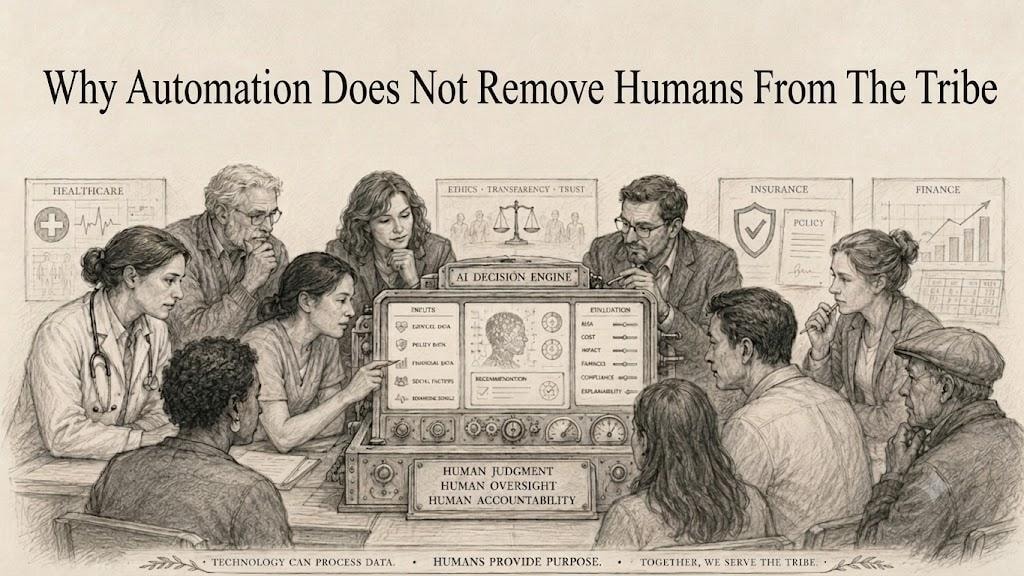
Why Automation Does Not Remove Humans from the Tribe
Artificial intelligence may replace tasks, but healthcare, insurance, finance, and other high-stakes systems still require human accountability, trust, status, and judgment.
July 11, 2026
The Evolution of Human Cooperation
Why humans help, share, punish, and form groups
July 9, 2026
Common Sense and the Making of American Democracy
How a 47-page pamphlet changed the course of a revolution
June 19, 2026

Manifestation Without the Magic: What Really Happens When We Imagine a Future
The psychology and neuroscience behind why visualizing goals sometimes works — and when it doesn't
May 25, 2026

Two Hundred Years from Now
What mortality reveals about meaning, memory, and what we leave behind
May 12, 2026

Why Humans Believe Their Ideology Is Superior
The evolutionary and psychological roots of moral certainty
April 25, 2026
Available Health Insurance and Medical Coverage in the United States
A practical guide to the programs, plans, and gaps that define American healthcare
April 18, 2026

Why Enemies Need Each Other
How opposition, rivalry, and conflict shape identity, purpose, and social order
April 7, 2026

What Is an Adaptation?
How evolution builds traits that solve problems — and why the concept is harder than it looks
April 4, 2026
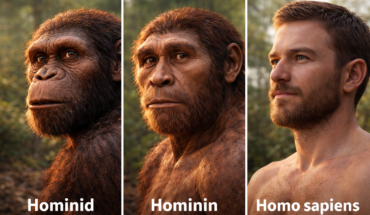
Hominid vs. Hominin vs. Homo sapiens: What's the Difference?
Sorting out the taxonomy that defines where humans fit in the tree of life
April 3, 2026
Is Medicare Advantage working, or are we grading the wrong test?
The program covers half of all Medicare enrollees — but the right question may not be the one we're asking
February 28, 2026

The Coalitional Brain: Why Humans Default to "Us vs. Them"
How the evolved logic of alliance and exclusion still shapes modern politics, identity, and conflict
February 16, 2026
Reimagining Healthcare Delivery: A Deep Dive into Value-Based Care vs. Fee-for-Service
Two payment models, two philosophies — and a system still deciding which future it wants
June 14, 2025
The Birth and Evolution of Insurance in Human Societies: An Evolutionary Perspective
From mutual aid in early human groups to trillion-dollar industries — risk pooling is older than civilization
May 4, 2025

The Ancient Science of Self-Repair: A Biological Anthropologist's Perspective on Fasting and Intermittent Fasting
What evolutionary biology reveals about why the body responds so powerfully to not eating
April 29, 2025
The Quiet Depth of Leadership: Why the Best Leaders Influence, Reflect, and Endure
Leadership is not about dominance — it is about earning trust, reading people, and knowing when to hold back
March 29, 2025

The Intersection of Sociobiology and Epigenetics: A Biocultural Anthropology Perspective
How genes and experience interact — and why the nature vs. nurture debate was always the wrong frame
March 9, 2025

Dual Inheritance Theory: Bridging Cultural and Biological Evolution in Human Development
Humans evolve through two inheritance systems — genes and culture — and each shapes the other
January 9, 2025
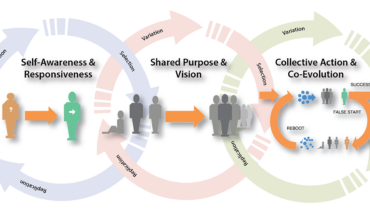
The Impact of Artificial Intelligence on Human Cultural and Biological Evolution: A Dual Inheritance Perspective
AI is not just a tool — it may be the most consequential cultural inheritance humans have ever produced
December 22, 2024

The Future of AI in Healthcare: Opportunities, Challenges, and Regulatory Considerations
Artificial intelligence is entering every layer of medicine — and the stakes for getting it right have never been higher
December 10, 2024

What Is a Hominid?
Understanding the family that includes humans, great apes, and our fossil ancestors
July 18, 2024
Frequently Asked Questions
Who is Farzin Espahani?
Farzin Espahani is the Editor-in-Chief of HominidPost, where he writes and edits essays on human behavioral ecology, evolutionary anthropology, cultural evolution, cooperation, kinship, status, conflict, and human behavior.
What is HominidPost?
HominidPost is a publication focused on human behavior, evolutionary anthropology, cultural evolution, cooperation, conflict, kinship, mating, parenting, status, and the deep history of human social life.
What does Farzin Espahani write about?
Farzin Espahani writes about human behavior through the lens of evolutionary anthropology, human behavioral ecology, incentives, tradeoffs, cooperation, coalitions, culture, and institutions.
What is the editorial philosophy of HominidPost?
HominidPost separates evidence, interpretation, and speculation. It uses evolutionary thinking to explain human behavior without biological determinism, moralizing, or group essentialism.
Why does HominidPost focus on evolutionary anthropology?
HominidPost uses evolutionary anthropology because it helps explain human behavior through ecology, incentives, cooperation, kinship, conflict, cultural transmission, and long-term social adaptation.