The Hominid Post
The Hominid Post is an independent publication about human behavior, evolutionary anthropology, human behavioral ecology, and cultural evolution. About The Hominid Post

Does Morality Have an Aesthetic Preference?
Two insects land on your kitchen counter. One is a cockroach. You crush it, and nobody objects; someone may thank you. The other is a butterfly. You crush it with the same motion, and the room turns on you. Both animals are insects, both were alive, and both were killed the same way. One had already entered the category of pest and the other the category of beautiful living thing before anyone made a moral argument.
Part of the difference is practical. Cockroaches contaminate…
Recent
The Edge of Admiration: Young Male Syndrome and the Limits of Risk as a Signal
The Song in Your Head: Why We Assume Other People Understand More Than They Do
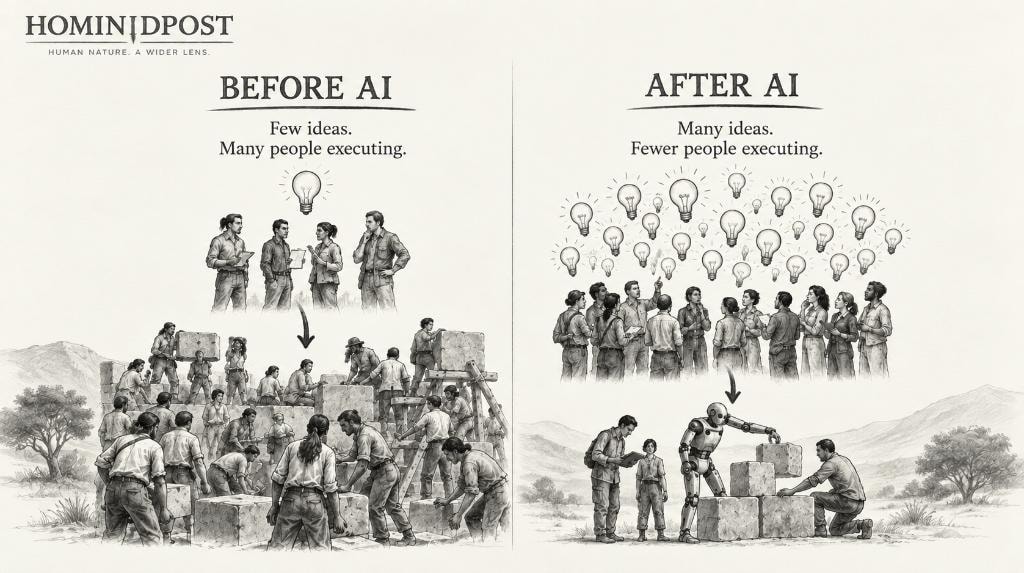
October 21, 2026
Merck and Moderna announced that INTerpath-001, a 1,137-patient Phase 3 trial of intismeran autogene plus pembrolizumab, met recurrence-free and distant-metastasis-free survival endpoints after melanoma surgery. This is the first positive Phase 3 readout for an individualized neoantigen therapy. The announcement is topline -- overall survival is still being followed.
Merck / Moderna, August 19The first long atmospheric methane record from a tropical ice core, drilled at 6,768 metres on Peru's Nevado Huascarán, supports a stronger pre-industrial low-latitude methane source than polar archives alone could resolve. The result should improve source attribution and climate-model calibration.
Nature, August 19A Nature study links the 2021--2023 East Antarctic mass-gain episode to persistent tropical warm-pool warming and a long-distance atmospheric wave pattern. The paper explicitly says the gain is probably temporary and does not represent a durable reversal of ice-sheet loss.
Nature, August 19Direct flux measurements in Beijing and modelling found that urban vegetation contributed more than half of the organic reactivity important to ozone formation during hot conditions. The implication is smarter species selection -- low-emitting trees can deliver cooling and shade without the ozone co-penalty.
Science Advances, August 19A Nature review maps clinical LLM risks across models, hospital workflows and human interaction -- including hallucination, data poisoning, prompt injection, privacy leakage and automation bias. Clinical buyers should require local validation, adversarial testing, audit logs and post-deployment monitoring before scaling.
Nature, August 19The FTC issued a draft policy statement warning that undisclosed use of personal data to estimate an individual buyer's willingness to pay can be deceptive under the FTC Act. The agency says it lacks authority to ban all personalized pricing, making transparency the immediate enforcement focus.
FTC, August 19Fed minutes from the July FOMC meeting show the policy rate was held at 3.50%--3.75% by a 9--3 vote, with three members preferring a 25-basis-point increase. Officials discussed elevated inflation and higher oil prices linked to Middle East conflict. Borrowers should stress-test both higher-for-longer and eventual easing.
Federal Reserve, August 19UNESCO expanded its trauma-informed library support program in Ukraine to ten additional regions after a six-region pilot. Sixty librarians completed 60 hours of training. Ukraine's roughly 11,700 public libraries are providing trusted information, psychological first aid and referrals in wartime.
UNESCO, August 20The Foundations of Human Behavioral Ecology and Evolutionary Thinking
These cornerstone articles explain how evolutionary theory can be used to study human behavior. Begin with natural selection, behavioral ecology, tradeoffs, cooperation, and cultural evolution—the concepts that guide everything we publish.
- 1Who Really Developed the Theory of Evolution?
- 2Natural Selection Explained
- 3Survival of the Fittest Does Not Mean Survival of the Strongest
- 4From Sociobiology to Human Behavioral Ecology
- 5How Evolutionary Thinking Explains Human Behavior
- 6Human Behavioral Ecology: Why Context Changes Behavior
- 7What Is a Hominid?
- 8Hominid vs. Hominin vs. Homo sapiens: What's the Difference?
Latest Stories
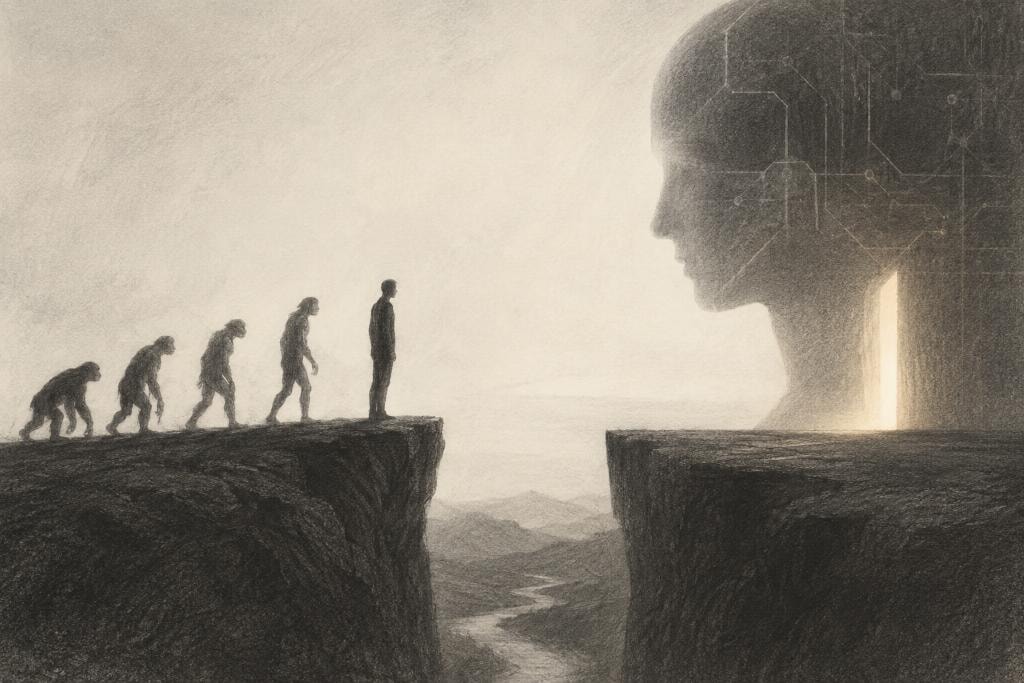
The People Who Built It Keep Warning Us
Every major technology has produced insiders who raised the alarm before the public understood there was anyth…
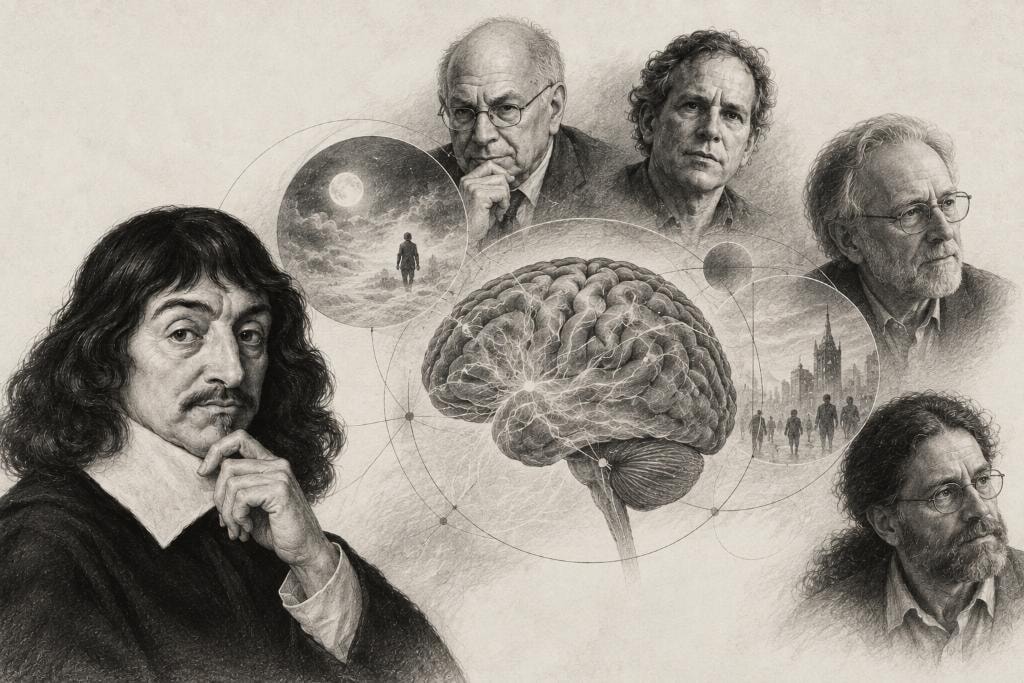
The Brain That Fools You at Night Is the Same One You Trust All Day
Every night, your brain builds a complete sensory world from nothing, populates it with people and places, and…

How Money Taught Strangers to Cooperate
Money changed human society by making exchange possible beyond kinship, friendship, and personal reciprocity.…
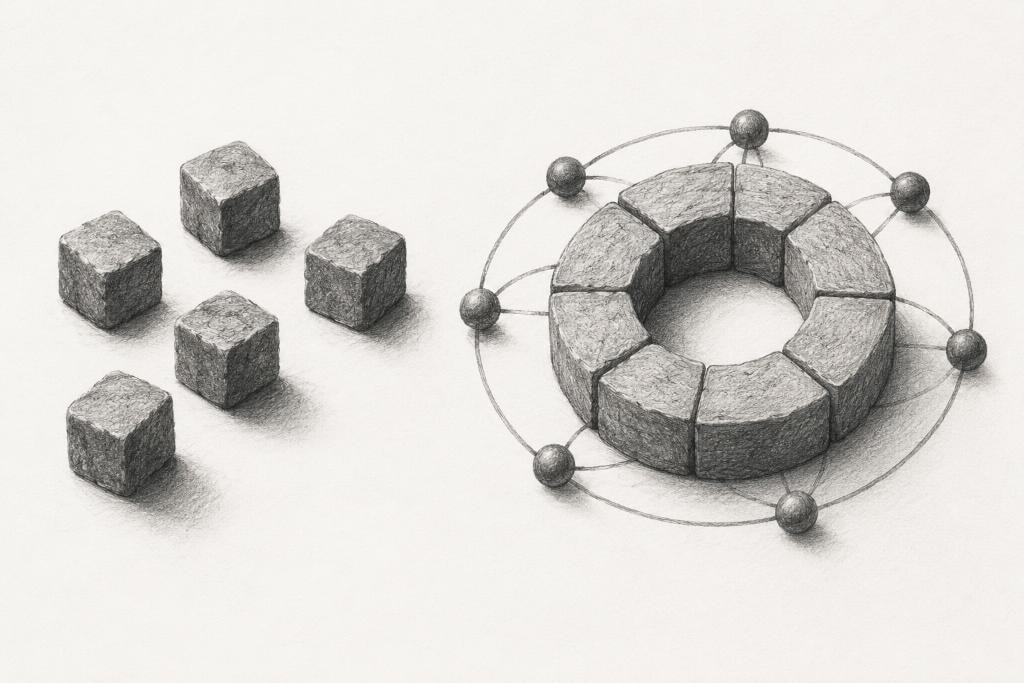
Stop Fixing Problems. Build the Ecosystem.
A customer acquisition problem appears, so marketing buys another tool. Sales conversion falls, so management…
Does Morality Have an Aesthetic Preference?
Two insects land on your kitchen counter. One is a cockroach. You crush it, and nobody objects; someone may th…

Before Abraham: The Evolutionary Roots of Monotheism and Human Religion
Monotheism feels ancient. The idea of one god — singular, universal, morally demanding — sits at the foundatio…
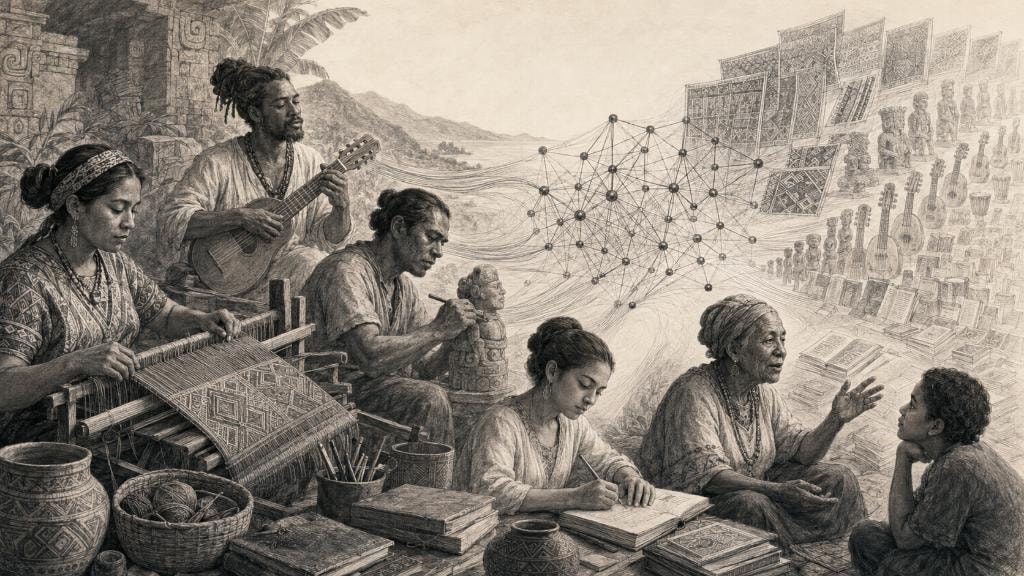
Who Owns Culture When Artificial Intelligence Learns From It?
A song may belong legally to one composer while carrying rhythms developed across generations. A textile patte…
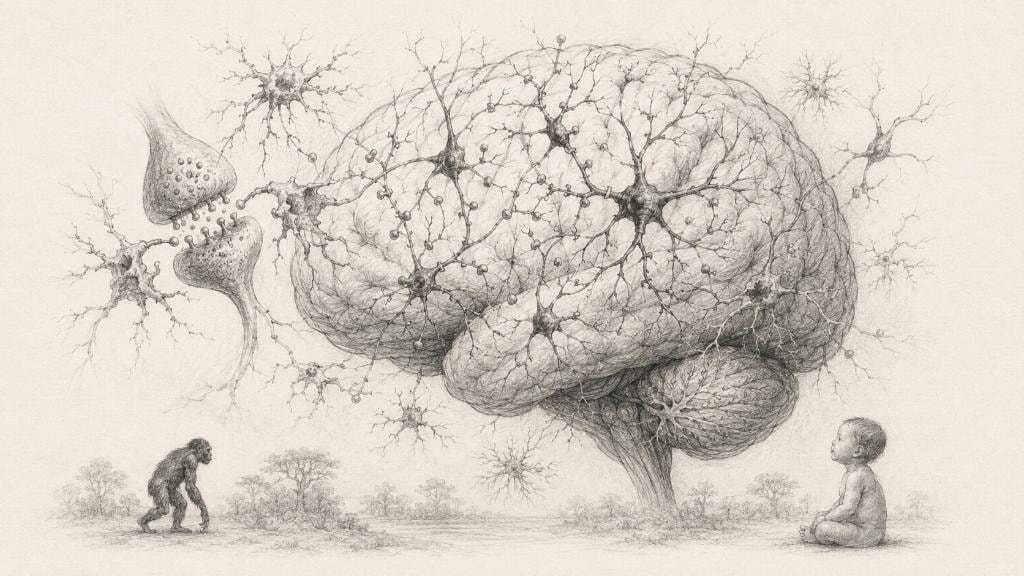
The Human Brain May Have Evolved by Slowing Down
A mouse’s brain develops quickly. Human brain development continues through childhood and adolescence, requiri…

The Moon Is Becoming a Network: CAPSTONE 02, LunaNet, and the Cislunar Infrastructure Buildout
In brief: NASA's CAPSTONE 02 mission, announced July 24, 2026 and targeted for a 2027 launch, will test autono…
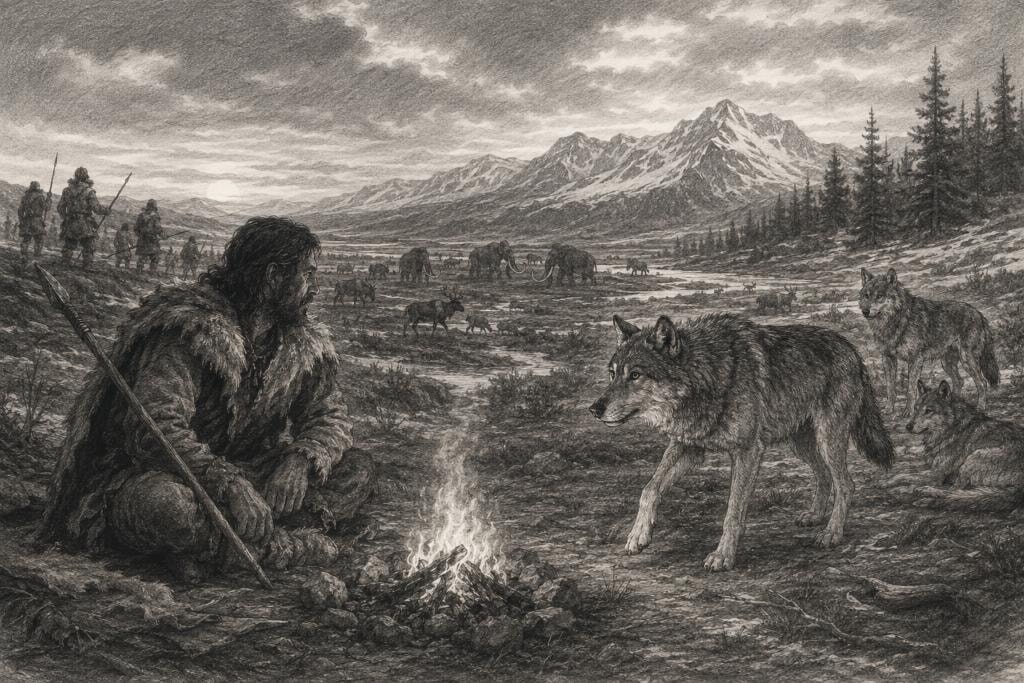
The First Alliance: How Humans and Wolves Learned to Live Together
Scientific status: Dogs descended from ancient wolf populations and were domesticated before agriculture (esta…
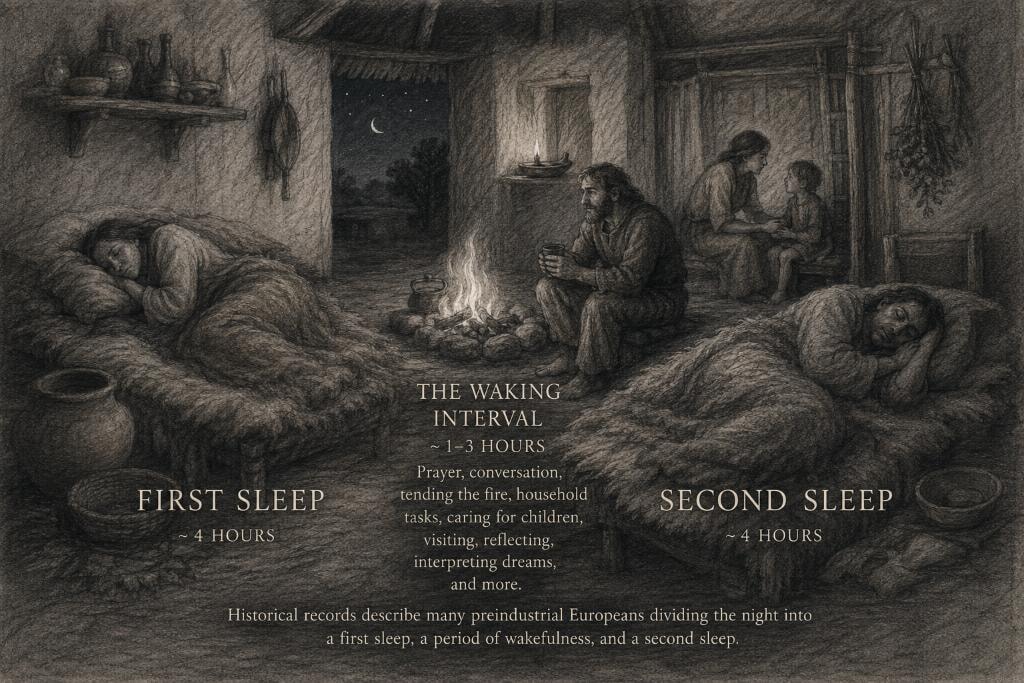
Did Humans Once Sleep in Two Shifts?
The evidence in brief: Many preindustrial Europeans described a “first sleep” and “second sleep,” separated by…
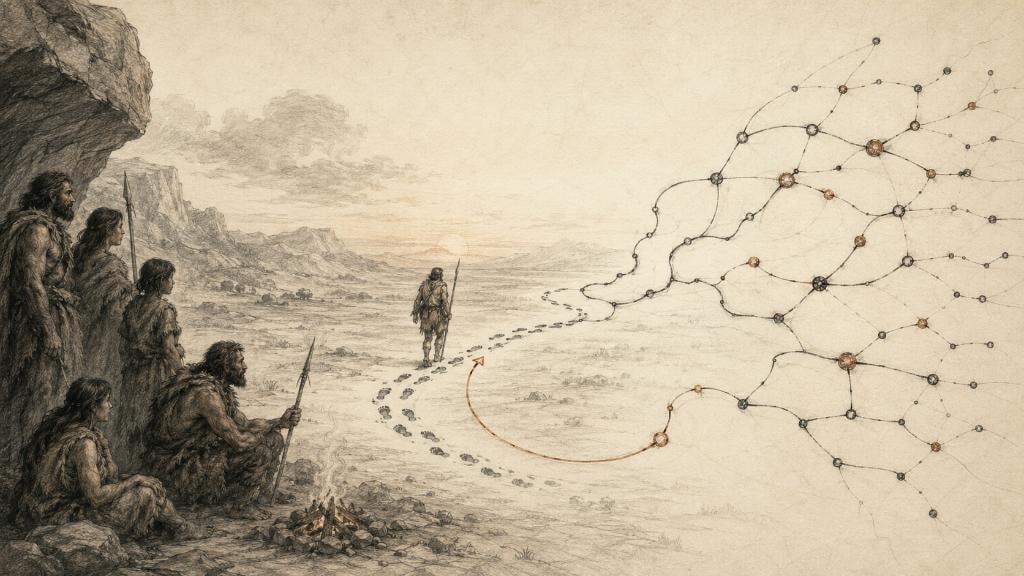
The Delegated Agent: Deep History Meets the Agentic Customer Experience
Handing consequential decisions to something you cannot fully watch is the oldest management problem our speci…
Four subject areas, one publication
Human evolution
We examine human origins, adaptation, life history and the evolutionary tradeoffs that shaped our species. These articles explain established scientific concepts while identifying where evidence remains incomplete or contested.
Explore human evolution →Behavior and cooperation
Humans cooperate, compete, reciprocate, form coalitions and respond strongly to status and reputation. We explore how these behaviors work across families, groups, institutions and modern societies.
Explore behavior and cooperation →Culture and society
Biological evolution alone cannot explain human behavior. Our articles examine cultural transmission, religion, political identity, morality, social norms and the institutions through which people organize collective life.
Explore culture and society →Health and technology
Healthcare, insurance, artificial intelligence and automation are human systems before they are technical systems. We study how incentives, trust, accountability and judgment shape their outcomes.
Explore health and technology →Most Read
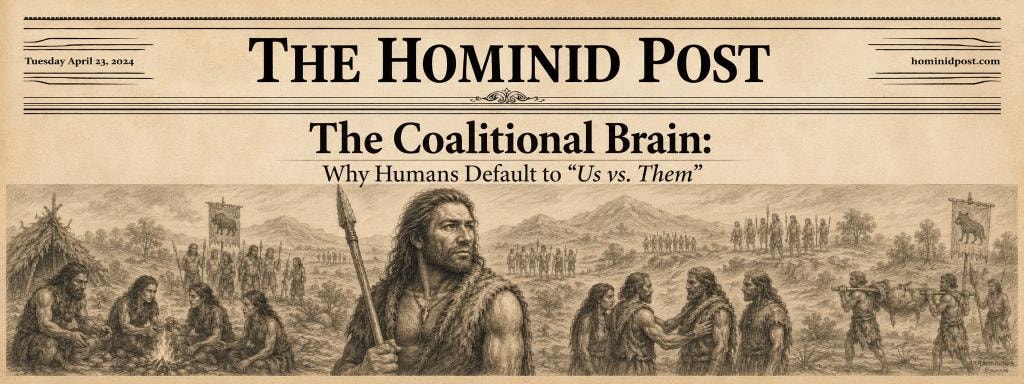

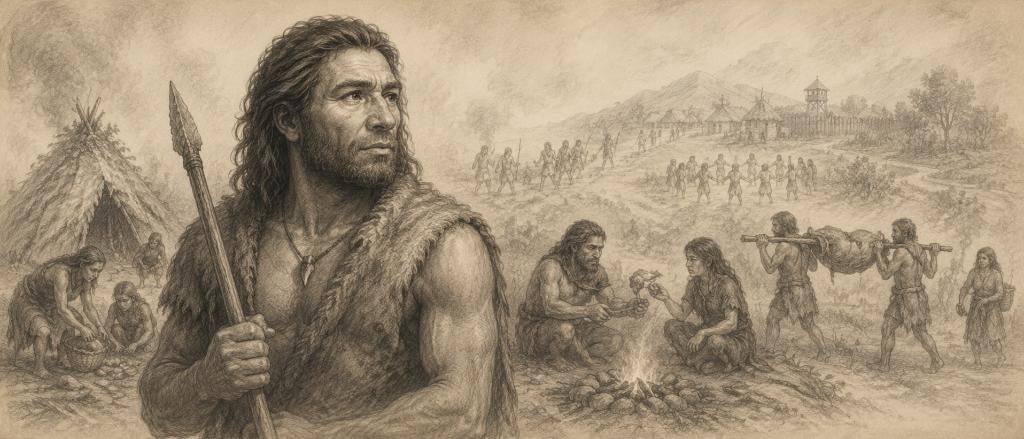
About The Hominid Post
The Hominid Post is a publication about human behavior, evolutionary anthropology, human behavioral ecology, and cultural evolution. We connect research on cooperation, conflict, kinship, status, health, technology, and institutions to the problems people face today.
Our editorial standard is evidence first, interpretation second, and speculation clearly labeled.